Most visited religious
places in Mexico
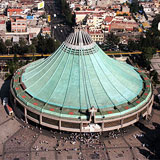
Basilica of Guadalupe
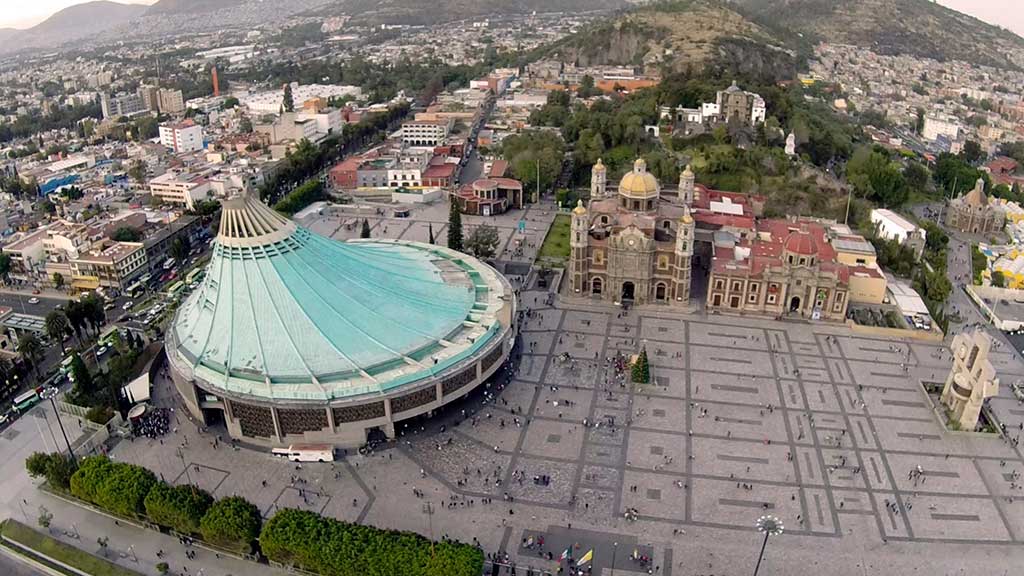
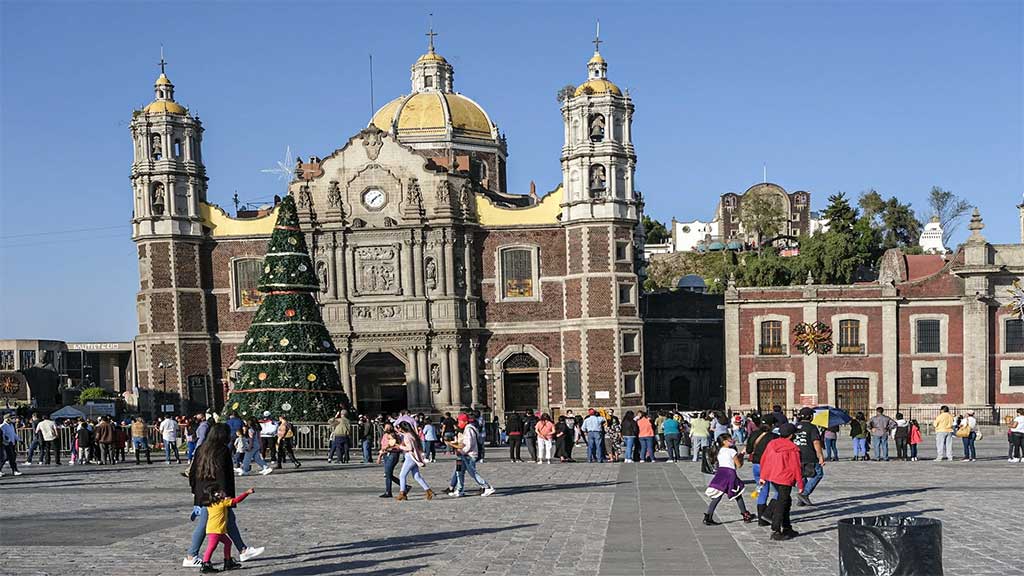
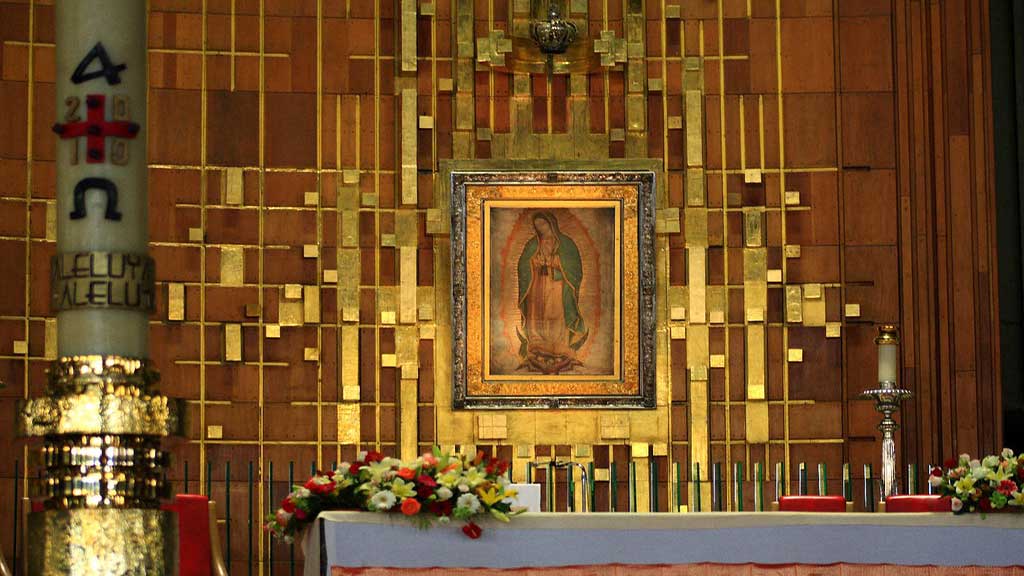
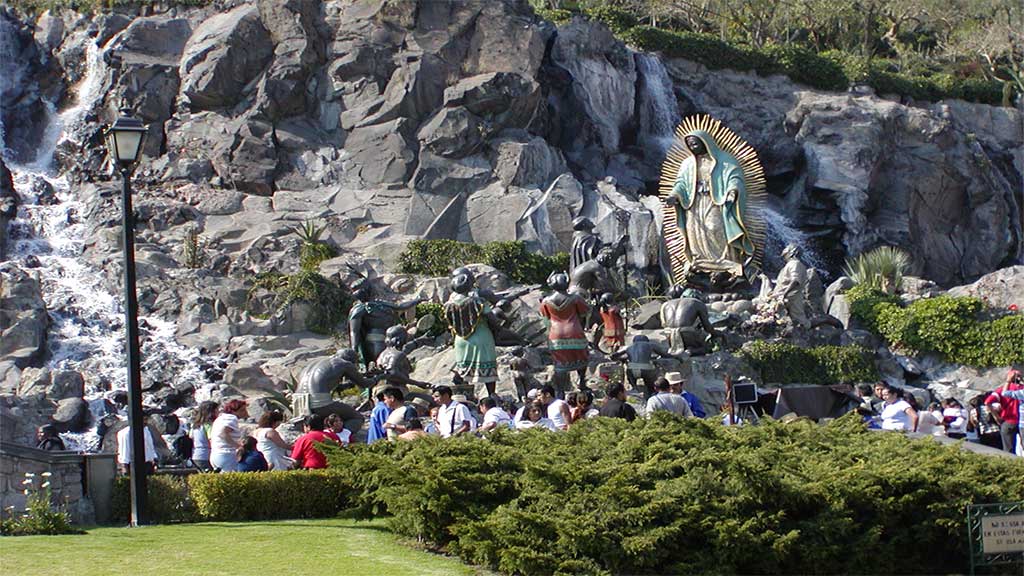
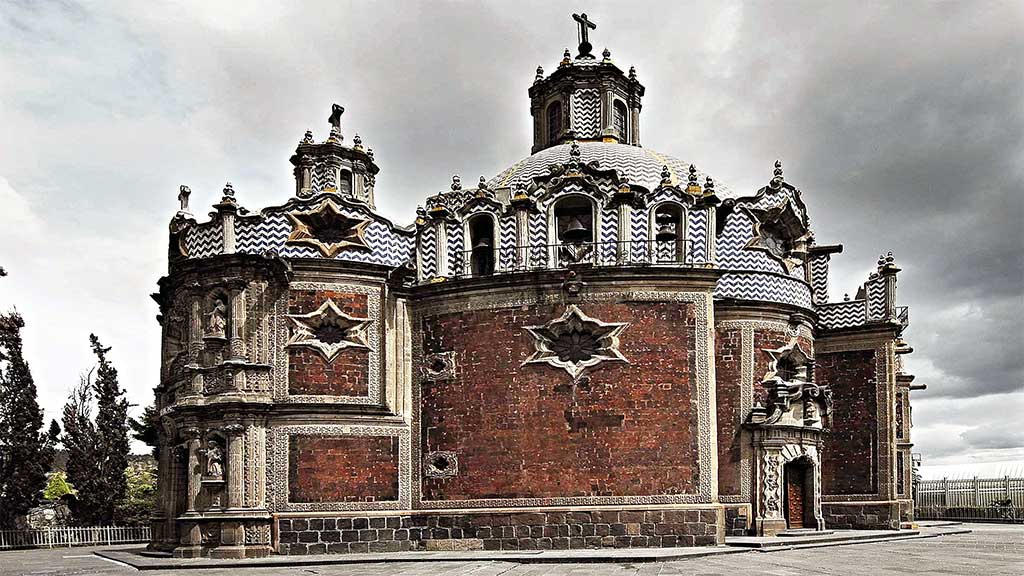
The Basilica of Our Lady of Guadalupe is the most visited Marian complex world, second only to St. Peter's Basilica. Some 20 million pilgrims visit the shrine, about half in the days around December 12. According to Mexican tradition, the Virgin Mary appeared 4 times to San Juan Diego on the hill of Tepeyac, where he asked to go in search of Bishop Juan de Zumarraga and tell him that she called for the creation of a temple there. After fourth apparition, Our Lady told Juan Diego to appear before the bishop in his cape carrying a rose, was exposed to deploy the image of the Virgin Mary, dark and with mixed features. The image is a wonderful cultural synthesis, a masterpiece that presented the new faith in a way that could be understood and accepted by the Mexican Indians. This box-codex has a complicated symbolism, every detail of color and form carries a theological message. 
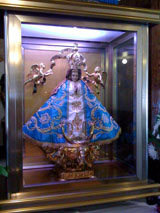
Basilica of Our Lady of San Juan de los Lagos
The Basilica of Our Lady of San Juan de los Lagos Cathedral is a Roman Catholic church located in the state of Jalisco, Mexico. The basilica ranks second in the number of visitors in the country after the Basilica of Our Lady of Guadalupe. The shape of the floor of the building, is a Latin cross, has vaulted Gothic moldings, the Way of the Cross is framed in silver and its camerín has a painting attributed to Rubens. The small image of Our Lady of San Juan measures 33.5 centimeters and weighs 321.9 grams. It is made of corn cane paste by craftsmen from the region of Patzcuaro, Michoacan.

Image of Holy child from Atocha in Fresnillo Zacatecas Church
Plateros in Fresnillo, Zacatecas, has an important sanctuary for Mexican devotion, just behind the Basilica of Guadalupe in Mexico City, and the church of San Juan de los Lagos, Jalisco. There come every year to 1.5 million pilgrims. The Sanctuary of the "Blue Boy" also is visited by hundreds of people from all over the country, especially in central and northern daily; and from the southwestern United States. The miracles described are in favor of prisoners and those who are trapped in an unjust legal system, miners, immigrants, victims of crime and poor economic and labor conditions, and in favor of those who are seriously ill. He was named the patron of the Homeless or "abandoned".
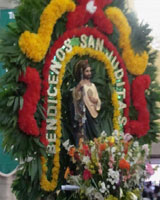
Image of San Judas Tadeo in San Hipolito Parish Church
Jude was as texts "Gospels" and "Acts", one of the disciples of Jesus of Nazareth, who was part of the group of "the twelve" apostles.He is mentioned in the Gospels as Jesus' brother. All references, the name "Judas" is accompanied by a specification, perhaps out of concern for writers distinguish Jude from Judas Iscariot, the apostle who betrayed Jesus credited. The temple of San Hipolito, patron of the city from New Spain era was changed in invocation to San Judas Tadeo, where they go every month every day 28 to venerate the faithful, with emphasis on October 28, the day that parties do public in his honor. It has the usual going first to his temple and give away gifts to the hundreds of attendees who fill the temple located at the corner of Avenida Hidalgo and Reforma Avenue. It often leads to the temple of the holy images from the home faithful, showing it publicly. About St. Jude has developed an important devotion. Whether by terminally ill or relatives of these patients, the temple where he is worshiped is already small for the faithful.
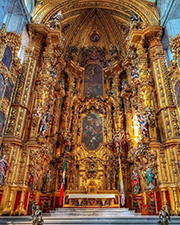
Metropolitan Cathedral of Mexico City
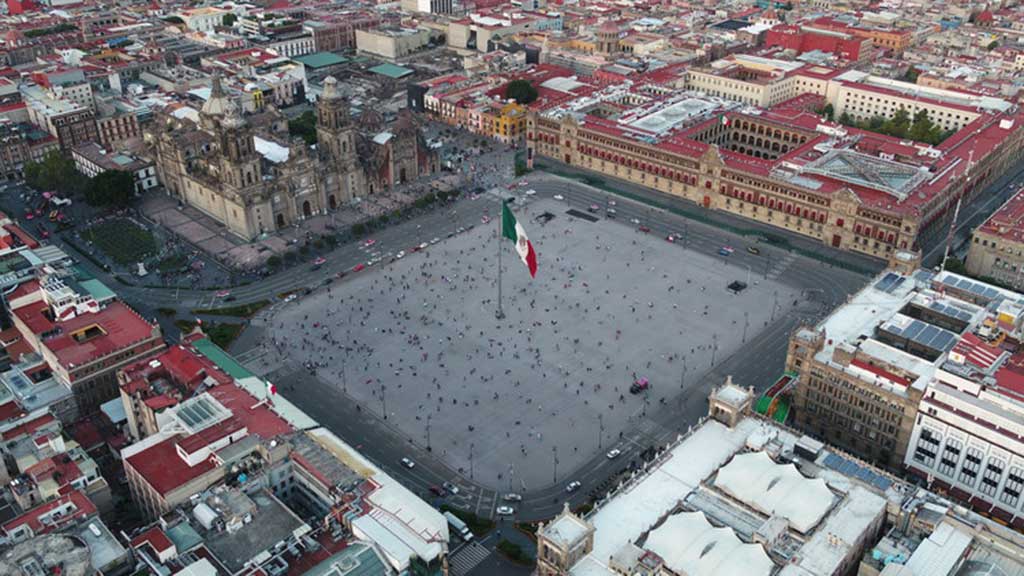
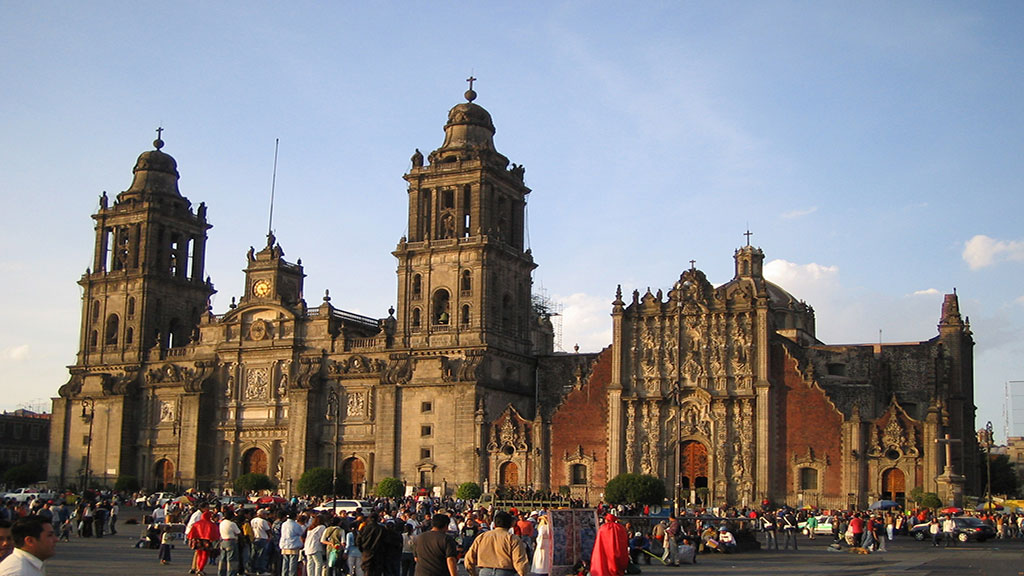
The Metropolitan Cathedral of the Assumption of the Most Blessed Virgin Mary is the most emblematic monument in Mexico City’s Historic Center and a UNESCO World Heritage Site since 1987 . Located on the north side of the Zócalo, it stands on sacred ground once occupied by the ceremonial center of ancient Tenochtitlán, making it a unique fusion of Mexica heritage and Spanish colonial architecture.
The cathedral is considered the first and largest cathedral built in the Americas, a masterpiece that reflects more than 240 years of construction (1573–1813) and the evolution of architectural styles during the colonial era, including Gothic, Renaissance, Baroque, and Neoclassical elements. Its monumental scale—128 meters long, 59 meters wide, and up to 67 meters high—makes it one of the most impressive religious buildings in the world.